Resource Allocation Analytics: 217652995, 217654200, 217655288, 217900790, 218440687, 218440699

Resource allocation analytics comprises various methodologies aimed at enhancing resource distribution within organizations. It leverages identifiers such as 217652995 and 218440699 to pinpoint inefficiencies and predict future demands. By employing data visualization and predictive modeling, organizations can achieve equitable distribution and improved productivity. The implications of these analytics extend beyond mere efficiency. A closer examination reveals deeper insights into how organizations can navigate the complexities of resource management effectively.
Understanding Resource Allocation Analytics
Resource allocation analytics serves as a critical framework for organizations aiming to optimize the distribution of their resources.
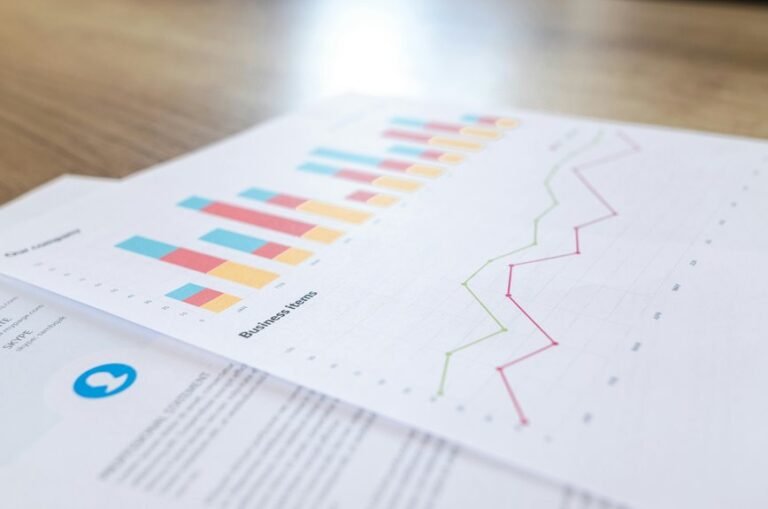
By employing data visualization techniques, stakeholders can identify inefficiencies and allocate resources more effectively.
This analytical approach enhances decision-making processes, ensuring that assets are utilized in a manner that maximizes productivity and fosters a culture of freedom, allowing organizations to adapt swiftly to changing demands.
Key Identifiers and Their Significance
Effective resource allocation analytics relies on several key identifiers that serve to guide decision-makers in their strategic planning.
Key metrics and performance indicators are critical for assessing effectiveness, while identification methods facilitate accurate data interpretation.
Significance analysis enhances understanding of resource impacts, enabling the development of robust allocation strategies that optimize resource distribution, ultimately fostering informed decision-making and promoting organizational autonomy.
Implementing Analytics for Optimal Resource Distribution
How can organizations harness analytics to enhance resource distribution?
By employing data visualization techniques and predictive modeling strategies, they can identify inefficiencies and forecast future needs.
These tools allow organizations to analyze historical data, optimize allocation, and make informed decisions swiftly.
Ultimately, implementing these analytics fosters a more equitable distribution of resources, empowering teams to operate effectively and innovate freely.
Conclusion
In conclusion, Resource Allocation Analytics serves as a beacon guiding organizations through the complexities of resource distribution. By leveraging data visualization and predictive modeling, entities can not only identify inefficiencies but also anticipate future needs, fostering a more equitable and productive environment. As organizations navigate an ever-evolving landscape, embracing these analytics becomes not merely advantageous but essential, transforming data from a passive asset into a dynamic force driving strategic decision-making.